GUIMARAS Gov. Samuel T. Gumarin said the island-province is “off limits” to coal and other dirty sources of energy as he vowed to make the province the renewable-energy capital of the Western Visayas region.
Backed by the Sangguniang Panlalawigan and other local officials in the province, Gumarin made the policy pronouncement in front of various stakeholders at the barangay hall grounds of Suclaran, San Lorenzo town in Guimaras.
The declaration made Guimaras the first coal-free province in the Western Visayas region.
“We want to show the world that we don’t need dirty energy to power development. The people of Guimaras have embraced renewables over dirty, polluting energy. We want to show that a sustainable-development path, powered by renewable energy, is not only possible, but more viable. And we hope that our humble example will resonate to other provinces and to the world,” Gumarin said.
The San Lorenzo wind farm, the first ever in the Visayas, has been operational since 2014.
There are plans to expand the province’s renewable-energy production capacity with additional 40 megawatts in Barangay Sebaste in the town of Sibunag.
The power generated from the wind farm is directed to the grid and shared with member-consumers across Luzon and the Visayas through the Wholesale Electricity Spot Market.
With the 40-megawatt expansion, the operators of the wind farms are expected to be able to also cover the energy demands of its neighboring province, Iloilo.
Guimaras has had a long history of resistance to fossil fuels.
In 2006 it experienced a devastating oil spill after M/T Solar 1, operated by Petron Corp. and Sunshine Maritime Development Corp., sank off the waters of Panay Gulf. In 2010 Guimaras took a strong position against a coal-fired power plant being proposed at that time in Barangay Ingore, Iloilo City, which would have had very adverse effects on the health and economy of the people in Guimaras, especially their world-famous mango industry.
Since then, Guimaras has transformed itself into a community that has embraced wind power as their energy of choice.
In a statement supporting the policy, Mayor Nimfa G. Gajo of San Lorenzo said: “Our people here in San Lorenzo know the benefits of harnessing the blessings of nature to power our development. Here, we have no coal, thus the absence of all the ills and harms dirty energy brings with it. Today is a victory for our people and our municipality and, I believe, for the whole of Guimaras.”
The Rainbow Warrior, as part of its Climate Justice Ship Tour in the Philippines, went to Guimaras to highlight the power of people to rise up against the devastating impacts of climate change, according to Greenpeace Southeast Asia Philippines.
During the event, Greenpeace Southeast Asia Executive Director Naderev Saño and Climate Reality Project Philippines Country Manager Rodne Galicha presented the provincial government and the municipal government of San Lorenzo a wood plaque in recognition of their effort to go for renewable energy.
In an interview with the BusinessMirror, Saño and Galicha lauded the local officials of the province for declaring the province “off limits” to coal and other dirty sources of energy.
They said other provinces should also consider going green and turn their backs on coal and other dirty sources of energy.
Saño said renewable energy, like those generated by the wind and the sun, are now cheaper than coal and will continue to challenge coal fired-power plants.
“The issue now is no longer about the cost because solar and wind are now cheaper than coal. We have the technology, we have investors willing to invest in the Philippines and we have local government units, such as Guimaras, willing to say no to coal and other dirty-energy sources,” he said.
In his message, he called on other stakeholders to stand up for Mother Nature “because we need to be able to hand down a healthy and sustainable planet for our future generations.”
He said local governments like Guimaras are standing up to break free from fossil fuels.
“Our vision is the same as the vision of the province of Guimaras. Renewable energy is powering this part of the world, and Guimaras is leading the way. It makes us proud to be Filipinos. This is the kind of leadership the world needs right now,” he said.
Galicha said there is no more reason the government should not say no to coal, saying the right policies are already in place, as well as affordable technology the country can avail itself of.
“It is up to the government to embrace renewable energy and turn its back on coal,” Galicha said.
Greenpeace Southeast Asia-Philippines said the Rainbow Warrior’s stop in Guimaras gives focus to the initiatives of communities in their resistance against coal and rising up to the renewable-energy challenge that should encourage other communities and local government units to do the same.
Galicha said solutions to the climate crisis are already available. He said provinces, cities and municipalities—and even small communities – are already speaking up and sending a strong message that renewable energy is the right way toward genuine development that is sustainable and they are committed to a 100-percent coal-free living.
“This is adherence to sustainable development goals [SDGs] the Paris Agreement, and beyond, for a safe future and healthy planet,” Galicha said.
“The commitment to go coal-free means the whole of Guimaras is pursuing a sustainable development path and is a clear manifestation of communities themselves taking the lead toward reclaiming their rights to a healthy environment and stable climate,” said Khevin Yu, Climate and Energy Campaigner of Greenpeace Southeast Asia-Philippines.
With the abundance of renewable-energy sources in the Philippines, such as wind and solar, coupled with the decreasing prices of renewable-energy technology, Greenpeace and other civil-society organizations are calling for a halt on new coal and urging the rest of the country to follow the example of Guimaras.
“[Having] additional coal plants means we will have a bigger problem in limiting global temperature rise to 1.5 degrees Celsius. We need to stop coal locally, and this is what Guimaras is doing now,” Yu added.
As the province welcomed the Rainbow Warrior, the ship’s crew and their captain, Hettie Geenen, expressed their appreciation of, and support for, the staunch determination of the people of Guimaras to stand up to the big fossil-fuel industry.
“We are now seeing very clearly that those who are least responsible for climate change are bearing the brunt of its impacts. But our visit here to the Philippines has shown us that even a resilient people will not take this sitting down. By the very act of being coal-free, Guimaras sets itself as a national and global leader in ending the age of coal and embracing the benefits of renewables,” Captain Geenen said.
The Rainbow Warrior’s tour in the Philippines, dubbed as “Balangaw: The Climate Justice Ship Tour”, is part of its five-month “Climate Change and People Power” tour of Southeast Asia. The Philippine leg started from February 14 to 18 in Manila, followed by a protest action at the Shell Batangas refinery on February 21. From Guimaras, the ship will sail to Tacloban in Eastern Visayas, arriving on February 28 and staying until March 4, before it sails on to Indonesia.
(For solar energy solutions and supplies visit our website: www.eastgreenfields.com or email us at inquiry@eastgreenfields.com)
Reference:
Mayuga, J. L. (February 25, 2018). Business Mirror.
Showing posts with label News. Show all posts
Showing posts with label News. Show all posts

2018/02/14
Senate OKs bills on energy efficiency, system loss cap
Danessa Rivera (Philippine Star)
07 February 2018
MANILA, Philippines — The Senate has passed two bills that will advance energy efficiency and conservation practices in the country and reduce the amount of system loss being passed on to electricity consumers.
The two measures, Energy Efficiency and Conservation Act of 2018 (Senate Bill 1531) and Recoverable System Loss Act (Senate Bill 1623), were sponsored by Sen. Sherwin Gatchalian who chairs the Committee on Energy.
Senate Bill 1531 lays down a solid foundation for a comprehensive energy efficiency and conservation policy that would mandate the efficient and judicious use of energy resources and promote the development and utilization of both new and alternative sources of energy efficient technologies and systems.
“We are helping shape the consciousness of our consumers, including the government, through a change in the policy regime regulating energy consumption. The strategies detailed in this measure are all poised to provide not only savings for the government but also more money in people’s pockets,” Gatchalian said.
He said if the country’s energy efficiency reaches half as that of Germany — one of the most energy efficient countries in the world – then the country could save around P1.6 trillion from 2018 to 2030 or P126.4 billion on the average annually.
Reaching fully similar energy efficiency standards with that of Germany could result, on the other hand, in estimated savings of P420 billion yearly or around P5.5 trillion over the same period.
The measure mandates the creation of a National Energy Efficiency and Conservation Plan that defines national targets, details feasible strategies, and imposes a regular monitoring and evaluation system. It will also create a National Energy Efficiency and Conservation Database which will store all relevant information about energy consumption and the application of energy efficient and renewable energy technologies.
The measure would also institutionalize the energy efficiency and conservation standards and strategies in local governance through the creation of a Local Energy Efficiency and Conservation Plan and the inclusion of Guidelines on Energy Conserving Design on Buildings in the issuance of building permits.
To further encourage complete compliance to the energy standards to be proposed, the measure would include incentives as well as technical assistance from government agencies.
An Inter-Agency Energy Efficiency and Conservation Committee will also be created to provide strategic directions in the implementation of the Government Energy Management Program (GEMP), a program to reduce monthly consumption of electricity and petroleum products by the government.
Once ratified, the Department of Energy (DOE) shall be the lead government agency tasked to ensure the proper implementation of this measure.
On the other hand, Senate Bill 1623 seeks to lower the present system loss caps prescribed by the Energy Regulatory Commission (ERC) in accordance with Republic Act 7832, from 8.5 percent to five percent for private distribution utilities (DUs), and from 13 percent to 10 percent for electric cooperatives (ECs).
It was in 2010 when the ERC last reduced system loss rates.
“Power consumers are being forced to shoulder excessive charges from these losses, which electric companies should be taking care of in the first place,” Gatchalian said.
According to a 2017 World Bank report, the Philippines has one of the highest average system losses in East Asia at 9.4 percent in 2014, as compared to countries like Korea with 3.3 percent and Singapore with two percent. Under this bill, the ERC will be mandated to conduct a periodic review every three years to determine whether the caps should be reduced further, based on load density, sales mix, cost of service, delivery voltage and other technical considerations. It shall also devise a Performance Incentive Scheme (PIV) for DUs to further encourage system loss reduction.
The ERC shall also conduct an annual review of system loss charges to ensure that only allowable costs within the caps stipulated are being recovered. The review shall be based from the quarterly mandatory report submissions by the DUs to ERC, which should contain their segregated system losses.
Power distributors that will fail to comply will be subjected to fines of P300,000 for the first violation, P400,000 for the second violation and a P500,000 fine on the third violation.
The measure also imposes penalties for false or fraudulent information submitted by the DUs in the form of P1 million fine on the first offense, P2 million on the second offense and P3 million fine on the third offense, with an automatic recommendation by the ERC to the Joint Congressional Power Commission (JCPC) for the revocation of the DU’s franchise.
Administrative sanctions shall also be handed down to ERC officials who failed to discharge their responsibilities or comply with the requirements detailed in the measure.
(For solar energy solutions in the Philippines visit our website www.eastgreenfields.com or email us at inquiry@eastgreenfields.com for more details.)
2018/02/12
Meralco to implement P1.08 per kwh rate hike in 2 tranches
Arra B. Francia, BusinessWorld online edition
February 10, 2018
MANILA Electric Co. (Meralco) will implement its P1.08 per kilowatt-hour (kWh) rate hike for the February billing in two tranches.
In a statement on Friday, the country’s largest distribution utility said it will increase electricity rates by 75 centavos per kWh in this month’s billing. The remaining 30% or a 33-centavo increase will be included in the March billing.
Meralco said the power rate hike is being implemented in two tranches, “cognizant of the fact that there were recent price increases on fuel and other basic commodities.”
The overall February rate will now stand at P9.47 per kWh, compared to P8.72 per kWh in January.
With this, households consuming 200 kWh a month will see a P150 increase in their monthly bills. Households that consume 300 kWh, 400 kWh, and 500 kWh will see an increase of P225, P300, and P375, respectively in February.
Meralco attributed this month’s increase in generation charges to higher charges from plants under Power Supply Agreements (PSAs) and Independent Power Producers (IPPs). Meralco said the generation charge increased by P0.8469 to P4.6548 per kWh in February, from P4.0768 per kWh in the previous month. However, the February billing will only reflect a P0.5780 per kWh hike, with the balance implemented in the March bill.
“The return to normal levels of capacity fees, particularly Pagbilao and Ilijan, was the main reason for the P1.7067 per kWh increase in PSA charges, to be reflected this February,” the company said.
Meanwhile, charges from IPPs rose by P0.3430 centavos per kWh, which the company attributed to the peso depreciation as well as higher Malampaya natural gas prices due to quarterly repricing and lower average plant dispatch.
A total of 40.6% of Meralco’s energy requirements were sourced from PSAs, while 40.7% came from IPPs. The remaining 18.7% of Meralco’s power requirements came from the Wholesale Electricity Spot Market (WESMmonth, where charges decreased by P0.0041 per kWh on lower power demand in the Luzon grid.
Previously, Meralco reduced electricity rates in January and December due to lower charges from supply contracts and at the spot market.
Transmission charge of residential customers meanwhile fell by P0.0372 per kWh, which goes directly to the National Grid Corporation of the Philippines. Taxes and other charges, which are remitted to the government, rose by P0.2092 per kWh this month.
“Meralco’s distribution, supply, and metering charges have remained unchanged for 31 months, after these registered reductions in July 2015,” the company said.
Electricity contributes 4.51% to the theoretical basket of basic goods and services used by a typical Filipino household on which annual inflation is computed.
(For solar enegry solutions and supplies visit our website: www.eastgreenfields.com or email us at inquiry@eastgreenfields.com)
2018/02/11
Electricity bills to rise in March
By: Ronnel W. Domingo - @inquirerdotnet Philippine Daily Inquirer
February 10, 2018
Manila Electric Co. yesterday said it would implement an increase of 75 centavos out of the P1.08-per-kilowatt-hour (kWh) increase announced earlier for the February billing period.
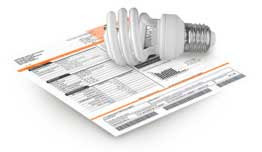
Meralco said in a statement the remaining 33 centavos would be carried in the following billing period in March, along with whatever rate adjustment there would be for that month.
“The full increase was not implemented to cushion the impact of higher electricity rates on consumers, cognizant of the fact that there were recent price increases on fuel and other basic commodities,” the company said.
For this month’s rate increase, to be reflected in customers’ March bills, residential consumers that use up 200 kWh would see an additional P150 compared to the previous monthly bill.
Meralco’s overall rate went down to P9.47 a kWh this month from P8.72 in January.
The latest rate adjustment was mainly due to an 84.69-centavo-per-kWh increase in the overall generation charge.
The distribution giant said that of such amount, it would reflect 57.80 per kWh this February, with the generation charge going up to P4.6548 per kWh from P4.0768 in January.
“The difference shall be implemented in the March bill,” the company said.
“After the reduction in PSA (power supply agreement) charges reflected in January due to the early completion of annual capacity fee payments for the previous year, capacity fees returned to levels prescribed in the PSAs,” it added.
According to Meralco, suppliers with which the distribution giant has long-term PSAs—particularly suppliers that run the Pagbilao and Ilijan power plants—effected a P1.7607-per-kWh increase in rates, which have “return[ed] to normal levels.”
(For solar enegry solutions and supplies in the Philippines visit our website: www.eastgreenfields.com or email us at inquiry@eastgreenfields.com)
February 10, 2018
Manila Electric Co. yesterday said it would implement an increase of 75 centavos out of the P1.08-per-kilowatt-hour (kWh) increase announced earlier for the February billing period.

Meralco said in a statement the remaining 33 centavos would be carried in the following billing period in March, along with whatever rate adjustment there would be for that month.
“The full increase was not implemented to cushion the impact of higher electricity rates on consumers, cognizant of the fact that there were recent price increases on fuel and other basic commodities,” the company said.
For this month’s rate increase, to be reflected in customers’ March bills, residential consumers that use up 200 kWh would see an additional P150 compared to the previous monthly bill.
Meralco’s overall rate went down to P9.47 a kWh this month from P8.72 in January.
The latest rate adjustment was mainly due to an 84.69-centavo-per-kWh increase in the overall generation charge.
The distribution giant said that of such amount, it would reflect 57.80 per kWh this February, with the generation charge going up to P4.6548 per kWh from P4.0768 in January.
“The difference shall be implemented in the March bill,” the company said.
“After the reduction in PSA (power supply agreement) charges reflected in January due to the early completion of annual capacity fee payments for the previous year, capacity fees returned to levels prescribed in the PSAs,” it added.
According to Meralco, suppliers with which the distribution giant has long-term PSAs—particularly suppliers that run the Pagbilao and Ilijan power plants—effected a P1.7607-per-kWh increase in rates, which have “return[ed] to normal levels.”
(For solar enegry solutions and supplies in the Philippines visit our website: www.eastgreenfields.com or email us at inquiry@eastgreenfields.com)
Solar in 2018: Better Technology, Record-Breaking Installations
February 7, 2018
By Junko Movellan, Correspondent
Renewable Energy World
Top industry experts say that in 2018, high efficiency Mono c-Si modules and high-voltage inverters will take more market share, and distributed generation will start to pick up.

15 MW Solar system in the U.K. Credit: Sungrow
Solar PV is becoming cheaper than ever. Almost every month, a new industry “low” is set and broken. In September 2017, the U.S. Department of Energy announced that the U.S. solar industry had achieved the 2020 utility-scale solar cost target of US $0.06/kWh, three years ahead of schedule and is moving toward the 2030 goal of $0.03/kWh. The following month, a solar tender for a 300 MW PV plant in Saudi Arabia was bid at the low price of US $0.179/kWh. This record was soon broken in Mexico with solar at $0.177/kWh November.
Solar has become one of the least expensive options for new power generation and is lower than the cost of most fossil fuel-powered generators, enabling solar installed capacity to expand faster than any other fuel. Most analysts predict that the 2017 global solar installed capacity will be around the 100 GW mark and 2018 is expected to see continued growth.
Renewable Energy World asked some of the world’s top industry experts to share their perspectives on technologies and markets for the year 2018.
SOLAR MODULE TECHNOLOGIES: MONO C-SI
Multicrystalline-silicon (Multi c-Si) PV modules have dominated the global PV market over monocrystalline-silicon (Mono c-Si) due to the cost advantage, however, high efficiency Mono c-Si modules have started closing the cost gap.
According to Paula Mints, SPV Market Research, in 2016 Multi c-Si had the largest share at 54 percent of global module shipments. However, in 2017 Mono c-Si is expected to have a 49 percent share, bypassing Multi c-Si.
Mints said that in 2016 manufacturers began adding passivated emitter rear contact (PERC) mono (P-type) capacity because it offers more margin control through slightly better manufacturing costs and an ability to slightly increase prices. New additions of mono PERC capacity began coming online in 2017.
“The trend is mono’s taking more market share and it will continue in 2018. PERC has become a mature technology and will be put more in mass production,” stated a spokesperson for JinkoSolar, a vertically integrated solar manufacturer.
LG Solar, another solar company, echoed the trend of Mono c-Si, but with N-type.
“LG has invested heavily on N-type Mono-Si technology and will continue to do so because it brings the most value to customers in terms of cost versus efficiency,” said David Chang, Director of U.S. Sales for LG Electronics’ Solar Business.

PV Global Shipment Share by Technology. Credit: SPV Market Research
In terms of technological innovations in modules, LG is looking at bifacial modules and AC modules, by utilizing N-type Mono-Si as the fundamental technology. JinkoSolar also considers N-type and bifacial to be hot technology in 2018. Bifacial modules can utilize light from both sides and therefore significantly increase the electricity yield of PV systems.
Besides LG and JinkoSolar, a growing number of PV manufacturers have engaged in development of high efficiency bifacial modules. According to SPV Market Research, shipments of bifacial modules are expected to be less than 1 percent of global solar shipments in 2017 but will increase with utility-scale deployment.
INVERTER: 1500-VOLT AND BIGGER STRING INVERTERS
As PV projects continue to trend toward larger systems, three-phase string and higher voltage inverters have started gaining a market share in large C&I and utility-scale markets.
“A major trend of the inverter technology is the shift to 1500-volt DC systems, instead of 1000-volt DC systems in utility projects. Sungrow has developed both string and central inverters rated at 1500-volt DC,” said William Zhou, VP of Sungrow.
Another trend is that string inverters are getting bigger and bigger in capacity, and low capacity central inverters are being replaced gradually, even in utility-scale applications.
“It is true that three-phase string inverters are gaining more and more attention in recent years, especially for C&I applications. For large-scale installation, central inverters are still the first choice. It’s hard to decide which type of inverters are gaining more market share as more varied PV applications are being developed and inverter selection should take the actual conditions into consideration,” he said.
In fact, last year Sungrow released a virtual central inverter concept, which combines the benefit of the command and control of central inverters with the lower O&M of string inverters for utility-scale markets.
The company currently offers the world’s most powerful 1500-volt string inverter rated at 125 kW, which can support up to a 12-MW power block design while maintaining 99 percent maximized efficiency. The size for string inverters is expected to be even bigger in the near future, according to the company.
Central inverters are also increasing in size. The company offers 1,500-volt central inverters with a total capacity of 2.5 MW and 3 MW and is developing a 3.125 MW central inverter, which will support up to a 12.5 MW block design.
DISTRIBUTED GENERATION MARKET: GROWTH EXPECTED
Although utility-scale solar has been the biggest market segment, distributed generation (DG) is expected to start picking up.
“DG market is growing fast globally, especially in China and the U.S. We have provided string inverters with varied power ranges for those markets,” said Zhou of Sungrow.
“There is strong evidence of a shift from large-scale solar to DG — maybe not in absolute volume but definitely in growth percentage. This can be attributed to a variety of issues associated with utility-scale solar from transmission cost to curtailment to availability of land. This shift is evident in countries such as EU, Japan, China, and the U.S.,” said Chang of LG. “Both bifacial and AC modules should enable DG to grow more.”
JinkoSolar agrees that DG in China is growing. The company also expects that China, the U.S., and Europe will be the biggest solar off-grid markets in the future.
CHINA CONTINUES LEADERSHIP
According to SPV Market Research, PV development in China grew by 53 percent in 2017 to 52 GW, accounting for more than 50 percent of the global solar capacity. Will China remain dominant in 2018?
Sungrow expects that traditional PV markets like the U.S., Europe, and China will continue to grow and that India and emerging markets such as Brazil and South Korea will also boom because of those countries’ growing power demands and commitment to a shift toward clean energy.
“We expect growth in 2018 in Canada, U.S., EU, Japan and South Korea. We remain very bullish on the U.S. market as they see a shift to DG, where high efficiency N-type Mono-Si modules can flourish,” Chang said.
JinkoSolar is anticipating India to continue to expand, driven by the country’s 2020 target, high demand for power and relatively high-power price of fossil fuel. The company also lists Australia, Spain, Saudi Arabia, and the UAE as growing countries and Egypt as a new market.
JinkosSolar thinks that 2018 will be flat or see 10 percent growth, but this is highly dependent on the policies in China and somewhat hinging on the U.S. trade case decision.
2018/02/10
DOE: 2018 AN OPPORTUNITY TO ACHIEVE RELIABLE, STABLE ENERGY FOR PH “[THE] PHILIPPINES HAS MATURED INTO A MARKET-DRIVEN INDUSTRY.”
That’s how energy industry players, both local and abroad, described the current state of the Philippine energy sector at the 6th Power Southeast Asian Exhibition and Conference (PSEA) last week.
“2018 provides an opportunity for the energy sector to continue their push in pursuing and achieving our mandate of providing reliable, stable, and sustainable energy for the Filipinos,” Department of Energy, Energy Policy and Planning Bureau officer-in-charge Patrick Aquino said in his keynote speech.
Different companies have discussed opportunities and development in the Philippine energy market, particularly in the renewable energy belt, especially now that the Build Build Build infrastructure program of the Duterte administration has commenced.
Aquino said that the Philippines needs an additional 44,765 megawatts (MW) of power from 2017 to 2040.
“The Philippine energy sector provides continuing opportunities for investment,” Aquino said, adding that the strategic direction is “first and foremost energy security.”
Energy players present in the two-day conference also expressed their concerns over the recent leadership vacuum of the Energy Regulatory Commission.
Among companies present include the Aboitiz Power Corporation, Energy Development Corporation, AC Energy, National Grid Corporation of the Philippines, Energy Regulatory Commission
The 6th PSEA with the theme “Connecting the people, lighting up the future” was held at The Bellevue Manila Hotel in Alabang on January 25 and 2016, 2018.
(For solar enegry solutions and supplies visit our website: www.eastgreenfields.com or email us at inquiry@eastgreenfields.com)
Reference:
Roque, V. (February 1, 2018). DOE: 2018 an opportunity to achieve reliable, stable energy for PH. Power Philippines.
DOE KEEPS TRACK OF POWER PLANT SHUTDOWNS FOR SUMMER
To avoid straining power supply during the critical summer months, the Department of Energy (DOE) is also monitoring the shutdowns of power plants relative to their regular maintenance schedules.
Energy Secretary Alfonso G. Cusi indicated that they are steering clear of a situation wherein more power plants will be taken off the power system, especially if the generating facilities without certificates of compliance (COCs) would not all offer their capacities via the Wholesale Electricity Spot Market.
“We are plotting the schedule of power plants that will be on regular maintenance shutdown because they will have impact on supply also,” the energy chief said.
Even with oversupply in capacity, if plant shutdowns are not properly managed and coordinated, such could still drive the power system into breaking point – and will in turn trigger unwanted electricity service interruptions.
Cusi qualified that “the ERC is working, but there are things needing its action as a collegial body,” including the required permits-to-operate or COCs of power generating facilities.
Like all stakeholders in the power industry, Cusi is also hopeful that the distressing leadership black hole at the ERC will finally be resolved.
Last week, the Philippine Independent Power Producers Association, Inc. (PIPPA) had already elevated its plea to President Rodrigo Duterte on the immediate need to restore normalcy at the ERC.
The organization of power generators in the country had stated that “the energy industry needs a fully functional Commission in order to effectively implement their mandate in accordance with EPIRA (Electric Power Industry Reform Act).”
PIPPA added “without a working Commission and putting a pause on the important work of the ERC, we will find ourselves without the needed approvals for PSAs (power supply agreements), connection agreements, price determination regulation, compliance certificates and licenses.”
As of last week, it was gathered from sources in Malacanang that Davao-based lawyer Alexis Lumbatan is seriously being considered for acting Commissioner appointment at the ERC,
Lumbatan is not entirely new in public view, because he was touted as “the funny guy” in President Rodrigo Duterte’s inauguration in 2016 – which circulated then in social media posts. Lumbatan also worked previously as chief of staff to Presidential son Paolo Duterte in Davao City.
Once his appointment is firmed up in the Palace, his papers would have to be transmitted to the Office of ERC Chairperson Agnes Devanadera, so he can take over in his temporary post at the regulatory body.
(For solar enegry solutions and supplies visit our website: www.eastgreenfields.com or email us at inquiry@eastgreenfields.com)
Reference:
Velasco, M. M. (February 4, 2018). DOE keeps track of power plant shutdowns for summer. Manila Bulletin.
2018/02/04
PH NO.1 IN ENVIRONMENTAL SUSTAINABILITY IN ENERGY
The Philippines leads the world in terms of environmental sustainability in energy resources, according to a World Energy Council (WEC) index that also assesses countries based on energy security and energy equity.
These three criteria make up what the United Nations-accredited WEC calls a “‘trilemma,’ [which is] is the basis for prosperity and competitiveness of individual countries.”
The WEC recently came out with its World Energy Trilemma Index 2017—which covers 125 countries—in cooperation with the Marsh & McLennan group.
The Philippines was ranked 70th overall, ranking 63rd in the subindex of energy security and 95th in energy equity—the latter referring to whether energy was affordable and accessible to consumers.
“While not in the top 10 overall… the Philippines is leading the way on environmental sustainability,” the council wrote in the 145-page report.
Nine of the top 10 countries in the index are European, with the only exception being New Zealand at ninth. Denmark was No. 1 followed by Sweden, Switzerland, Netherlands, United Kingdom, Germany, Norway and France. Slovenia completed the list at No. 10.
The WEC said there were complex trade-offs that were inherent in energy policy-making, as well as geographic limitations to achieving a balance among the three criteria.
For example, Luxembourg— also not in the overall top 10— was No. 1 in energy equity, but ranked 120th in security and 99th in environmental sustainability.
This was due to Luxembourg’s small territory that limited the availability and diversity of energy resources and generation capacity.
“The top 10 in environmental sustainability is dominated by states that are able to take advantage of their renewable energy potential such as Iceland, the Philippines and Costa Rica, which all have high geothermal or hydropower capacities,” the WEC said.
The council added that for these countries, a main challenge was to avoid over-reliance on one single or weather dependent energy resources, which could potentially hamper the resilience of the energy system and with that energy security.
“Taking advantage of the transition trends, such as decentralization, may provide countries like the Philippines with opportunities to improve energy access rates while at the same time improving the country’s energy equity performance,” the WEC said.
(For solar enegry solutions and supplies visit our website: www.eastgreenfields.com or email us at inquiry@eastgreenfields.com)
Reference:
Domingo, R. W. (January 6, 2018). PH no.1 in environmental sustainability in energy. Inquirer.
RENEWABLE ENERGY DEVELOPMENT NOT LIKELY TO PUSH UP POWER RATES – CUSI
MANILA, Philippines — Energy Secretary Alfonso Cusi said the pursuit toward renewable energy (RE) development would not result in higher power rates.
He said the agency is implementing safety nets in the form of the Renewable Portfolio Standard (RPS) policy.
“The RPS for on-grid rules outlined various safety nets to protect the electricity end-users and to ensure that this new venture will not result in higher electricity rates,” Cusi said.
The Energy chief signed Department Circular DC2017-12-0015 which prescribes the rules and guidelines in the establishment of RPS for on-grid areas.
The circular mandates distribution utilities (DUs), retail electricity suppliers including power generation companies serving directly-connection customers to source or produce a certain percentage of their electricity requirements from eligible renewable energy resources.
It also provides that eligible renewable energy participants may use biomass, waste-to-energy technology, wind energy, solar energy, run-of-river hydroelectric power systems, impounding hydroelectric power systems, ocean energy, and geothermal energy, among the other systems as defined in the RE Act.
The RPS for on-grid areas is initially anchored on the country’s aspirational target of 35 percent RE share in the energy mix by 2030, which will be reviewed under the forthcoming updating of the National Renewable Energy Program (NREP).
The DOE said the minimum RE sourcing would not be imposed immediately, considering 2018 and 2019 as transition years only to prepare the mandated participants in developing their compliance plans to the minimum RPS requirements.
Cusi also said a holistic information, education and communication (IEC) campaign and hands-on training will be undertaken to guide the DUs and other relevant stakeholders with an aim to impart various developments in the implementation of the policy and the other pertinent policy issuances of the DOE.
To further protect consumers, the RPS policy will also be complemented by the Competitive Selection Process (CSP) policy, which requires all DUs and other mandated participants to undertake competitive bidding in sourcing their compliance to ensure the “no higher rates” policy.
Cusi said the requirement to comply with the CSP ensures a transparent mechanism that ascertain least cost procurement of power supply and ensure competition among the players.
(For solar enegry solutions and supplies visit our website: www.eastgreenfields.com or email us at inquiry@eastgreenfields.com)
Reference:
Rivera, D. (December 31, 2017). Renewable energy development not likely to push up power rates – Cusi. The Philippine Star.
MERALCO TOLD TO EXPLAIN RATE HIKE DUE TO TRAIN
MANILA, Philippines — Energy Secretary Alfonso Cusi has ordered Manila Electric Co. (Meralco) to explain how it came up with the eight centavos per kilowatt-hour (kwh) increase in electricity bills as a result of the Tax Reform for Acceleration and Inclusion (TRAIN) law.
Cusi said he has written Meralco to explain the projected increase in electricity bills. He has also has directed Energy Undersecretary Jesus Posadas to scrutinize the impact of the TRAIN law as estimated by country’s largest distributor.
“They are saying the increase is eight centavos (for the tax in transmission and coal tax)…we are discussing that now and I told them to scrutinize it because I will not just accept it as a matter of fact,” he said. “It is my responsibility so that I can tell the public.”
Cusi said this is to protect the interests of consumers, particularly Meralco customers.
“That is the role of DOE, we set the policy, we make sure that everybody will follow the policy,” he said.
Earlier this week, Meralco said its customers can expect an increase of at least eight centavos per kwh in their electricity bills, taking into consideration the impact of TRAIN.
Meralco head of utility economics Lawrence Fernandez said electricity rates will be pushed up by implementation of the coal excise tax and the removal of the value added tax (VAT) exemption of the National Grid Corp of the Philippines (NGCP) under TRAIN.
Under Republic Act 9511, NGCP was exempted from paying income tax and VAT. This was repealed in Section 86 of the TRAIN Act, subjecting NGCP to the VAT provision under the National Internal Revenue Code (NIRC).
Based on Meralco’s computation, the VAT on transmission charge will translate to an additional seven-centavo per kwh in its rates which can take effect in February bills, Fernandez said.
For the impact of the coal excise tax, Meralco is awaiting the response of suppliers to compute the increase in electricity rates.
Under the TRAIN law, what was approved was a lower coal excise tax of P50 per metric ton in 2018, P100 in 2019, and P150 in 2020 compared with the original Senate proposal of a “100-200-300” hike scheme.
At P50 per metric ton, Fernandez said the excise tax of coal and oil will translate to an increase of around one centavo per kwh.
However, DOE Undersecretary Felix William Fuentebella said the impact of coal excise tax on electricity rates are expected to reflect on consumers’ electricity bills by March or April because coal plant generators maintain coal reserves good for at least 30 days.
(For solar enegry solutions and supplies visit our website: www.eastgreenfields.com or email us at inquiry@eastgreenfields.com)
Reference:
Rivera, D. (January 13, 2018). Meralco told to explain rate hike due to TRAIN. The Philippine Star.
Cusi said he has written Meralco to explain the projected increase in electricity bills. He has also has directed Energy Undersecretary Jesus Posadas to scrutinize the impact of the TRAIN law as estimated by country’s largest distributor.
“They are saying the increase is eight centavos (for the tax in transmission and coal tax)…we are discussing that now and I told them to scrutinize it because I will not just accept it as a matter of fact,” he said. “It is my responsibility so that I can tell the public.”
Cusi said this is to protect the interests of consumers, particularly Meralco customers.
“That is the role of DOE, we set the policy, we make sure that everybody will follow the policy,” he said.
Earlier this week, Meralco said its customers can expect an increase of at least eight centavos per kwh in their electricity bills, taking into consideration the impact of TRAIN.
Meralco head of utility economics Lawrence Fernandez said electricity rates will be pushed up by implementation of the coal excise tax and the removal of the value added tax (VAT) exemption of the National Grid Corp of the Philippines (NGCP) under TRAIN.
Under Republic Act 9511, NGCP was exempted from paying income tax and VAT. This was repealed in Section 86 of the TRAIN Act, subjecting NGCP to the VAT provision under the National Internal Revenue Code (NIRC).
Based on Meralco’s computation, the VAT on transmission charge will translate to an additional seven-centavo per kwh in its rates which can take effect in February bills, Fernandez said.
For the impact of the coal excise tax, Meralco is awaiting the response of suppliers to compute the increase in electricity rates.
Under the TRAIN law, what was approved was a lower coal excise tax of P50 per metric ton in 2018, P100 in 2019, and P150 in 2020 compared with the original Senate proposal of a “100-200-300” hike scheme.
At P50 per metric ton, Fernandez said the excise tax of coal and oil will translate to an increase of around one centavo per kwh.
However, DOE Undersecretary Felix William Fuentebella said the impact of coal excise tax on electricity rates are expected to reflect on consumers’ electricity bills by March or April because coal plant generators maintain coal reserves good for at least 30 days.
(For solar enegry solutions and supplies visit our website: www.eastgreenfields.com or email us at inquiry@eastgreenfields.com)
Reference:
Rivera, D. (January 13, 2018). Meralco told to explain rate hike due to TRAIN. The Philippine Star.
CUSI ORDERS MERALCO TO EXPLAIN P0.08 PER KWH POWER RATE INCREASE
Energy Secretary Alfonso Cusi has asked Manila Electric Co. to explain its computation of a P0.08 per kilowatt-hour increase in electricity rates following the implementation of the Tax Reform for Acceleration and Inclusion, or TRAIN, tax package.
“… I asked Meralco how did it arrive at P0.08 per kWh,” Cusi told reporters.
Cusi directed Energy Undersecretary Jesus Posadas to study the impact of the TRAIN on the power sector.
“That is the role of DoE, we set the policy, we make sure that everybody will follow the policy,” the energy chief said.
Meralco head of utility economics Lawrence Fernandez said early this week the company was waiting for the billing of National Grid Corp. of the Philippines to reflect the lifting of the value added tax exemption that would increase rates by P0.07 per kilowatt-hour.
Fernandez said the impact of the higher excise tax on coal was around P0.01 per kWh.
Cusi said the department was also studying the impact of the TRAIN on the Small Power Utilities Group, or the missionary areas of National Power Corp.
“These people are scrutinizing all of those to make sure that the consumers are protected,” he said.
Cusi said he had a responsibility to the public to ensure the rates passed on the utilities were accurate.
Fernandez said NGCP was previously exempted from the VAT on transmission wheeling charges until it was repealed by the TRAIN.
“For NGCP, the TRAIN is in effect January 1. We expect them to apply the VAT on transmission wheeling charges, Fernandez said, adding a 12 percent percent VAT would add P0.07 per kWh to the electric bills of consumers.
He said the earliest Meralco could pass on the TRAIN impact to consumers would be in the February billing.
“If NGCP incorporates it in their January billing, we should expect by February that it will be effective,” Fernandez said.
He said the impact of higher excise tax on coal on Meralco customer was estimated at P0.01 per kWh.
“For generators, it will depend on their stock of coal if they bought it new or in stock. Our expectations is they will stagger the implementation of the coal tax,” he said.
(For solar enegry solutions and supplies visit our website: www.eastgreenfields.com or email us at inquiry@eastgreenfields.com)
Reference:
Flores, A. M. S. (January 12, 2018). Cusi orders Meralco to explain P0.08 per kWh power rate increase. Manila Standard.
COAL TO TOP 55% OF PH POWER MIX BY 2027 COAL TO TOP 55% OF PH POWER MIX BY 2027
Despite its higher excise tax under the new tax reform law, as well as initiatives to promote the use of renewable energy (RE), coal will dominate the Philippines’ energy mix in the next 10 years, a BMI Research study found.
“[T]he share of coal [is]actually increasing over our 10-year forecast period—from just under 50 percent in 2017 to over 55 percent by 2027,” Fitch-owned BMI said.
The gradual commissioning of coal plants in the pipeline would boost this increase, it added.
BMI noted some efforts to diversify the country’s power mix toward cleaner fuels, like natural gas and RE, as part of its commitment to cut 70 percent of its carbon emissions by 2030 under the United Nations Paris Agreement that took effect in November 2016.
“[H]owever, the country has released few details on how they intend to reach its target, particularly given the dominance of coal in the project pipeline,” the company said.
Citing its Key Projects Database, BMI said “54 percent of all the power projects under development are coal projects.”
Latest Department of Energy (DoE) data show it only endorsed Orion Pacific Prime Energy Inc.’s 1,000-megawatt (MW) coal-fired power plant in Barangay Awasan, Tagkawayan town, Quezon province.
The study came more than a month after President Rodrigo Duterte signed Republic Act 10963, or the Tax Reform for Acceleration and Inclusion Law (Train) Act. It took effect New Year’s Day.
Under the new law, the coal excise tax was raised from P10 per metric ton (MT) to P50 this year, P100 in 2019, and P150 in 2020.
The new tax aims to reduce the country’s dependence on fossil fuels and slash power rates by removing price volatility from importing coal and leveling the playing field from generating costs across all sources.
The Philippines imports about 75 percent of its coal supply from Indonesia and Australia, BMI said.
While the study questions the effectiveness of this move to lower electricity rates, it said it could help incentivize investment in the domestic energy sources, namely RE, over the longer run as it becomes more competitive against coal.
Meanwhile, RE is expected to contribute about 20 percent to the total power generation mix in 2020, decreasing to 16 percent in 2027.
Total non-hydro renewables capacity is projected to reach just under 5.4 gigawatts (GW) by 2020, about 50 percent higher than the 3.56 GW installed in 2016, mainly boosted by the wind and solar sectors.
Capacity additions post-2020, however, will be limited, and there is a noticeable absence of new projects, meaning RE’s share would dwindle as thermal sources expand.
Although BMI said the gas-fired project pipeline strengthened recently, its share is only 10 percent, and the use of gas will be capped by regulatory and infrastructural headwinds to liquefied natural gas (LNG) projects and competition from cheap coal.
The depletion of domestic gas supplies is a significant concern, as the Malampaya gas field off Palawan province will be nearly depleted by the end of the firm’s 10-year forecast period.
“This, combined with the lack of any significant new upstream gas projects in the pipeline, has led the Philippines to seek LNG imports for the first time,” BMI said.
Reference:
Lagareon, J. S. (February 1, 2018). Coal to top 55% of PH power mix by 2027. The Manila Times.
For solar energy solutions visit our website: www.eastgreenfields.com or email us at inquiry@eastgreenfields.com
‘YELLOW LABEL’ MAY HELP CONSUMERS CUT ENERGY BILLS
It is the color most hated by this administration, but according to Energy Secretary Alfonso Cusi, “the yellow label” will be a major redeeming factor that could help Filipino consumers save on punishing energy bills.
He was referring to the yellow-based “energy efficient labeling” that the Department of Energy (DOE) sets on appliances so it can guide consumers which one would have less energy use when operated. In turn, that will yield cost savings to consumers.
“The yellow energy labels on common household appliances state the energy efficiency ratings of the latter and should be used by consumers as a guide in purchasing said items,” the energy chief said.
With government-induced tough times because of higher excise taxes on products and services, Cusi is ardently appealing to Filipino consumers on self-imposed discipline on energy usage so they would be able to cut their costs.
The energy chief prescribes purchase of “energy smart” appliances; because of their higher efficiency rating. Nevertheless, such may entail higher upfront costs also that penny-pinching Filipino consumers cannot just easily afford.
And with high energy costs literally nailing Filipinos on the cross at the implementation of the Tax Reform Acceleration and Inclusion (TRAIN) Act of the Duterte Administration, Cusi asserted that such must also usher in a phase when efficient use of energy becomes “a way of life” for Filipinos.
Cusi sets emphasis on “the concept of smart energy utilization so consumers can save on energy costs based on strategies already laid down by the government.”
He cited that one strategy could be the “proper use of energy efficient appliances” or those rated on Minimum Energy Performance Standard.
Cusi also apprised consumers “to turn off and unplug unused appliances to avoid electricity wastages,” adding that regular cleaning of light bulbs, refrigerator, television, electric fan and air-conditioners must also be resorted to in saving power usage.
With not just energy prices going up under the TRAIN measure but also that of vehicles, Cusi expounded that consumers must also be “more rational in their choice of vehicles to buy, as well as in their fuel purchases.”
He stressed that “planning trips and properly maintaining vehicles will also save consumers money while prolonging the service life of their rides.”
The department similarly cited data that burning less fuel on travels could spare the earth of carbon dioxide (CO2) emissions, to the tune of 2.7 kilograms of per liter-diesel saved; and 2.3 kilograms on per liter savings of gasoline.
Reference:
Velasco, M. M. (January 6, 2018). ‘Yellow label’ may help consumers cut energy bills. Manila Bulletin.
For solar energy solutions visit our website: www.eastgreenfields.com or email us at inquiry@eastgreenfields.com
2018/01/21
Long, uphill climb before PHL could rid of COAL dependence for power generation
The country is still very much dependent on coal as a source of power, amid increasing support and encouragement for the utilization of renewable energy (RE).
“In terms of electricity production, we have noticed a high dependency on coal recorded at 44 percent as of March 2016. Natural gas and renewable energy supplied 22 percent and 25 percent, respectively,” Department of Energy (DOE) Officer in Charge Undersecretary Mylene Capongcol said in her welcome speech during the fourth Annual Philippines Power and Electricity Week.
“While we saw significant growth in the use of variable renewable energy due to the different incentives provided by the Renewable Energy Act, the supply of electricity from hydro had been adversely affected by El Niño, registering a 1-percent decline over the past five years,” she added.
The DOE official said the country managed to achieve a balanced energy-supply mix in 2015, with oil accounting for around 31 percent; followed by coal at 23-percent share; geothermal at 19-percent share; natural gas and hydro accounts for around 10 percent; while other RE sources, such as biomass, solar and wind, comprised the remaining 17 percent.
More than 53 percent of the country’s total energy requirement is largely being supplied by indigenous energy, while 47 percent accounts for imported oil, mainly used for transport and coal, used for generating electricity.
The DOE is collaborating with the Climate Change Commission (CCC), the National Economic and Development Authority (Neda) and the Department of Environment and Natural Resources (DENR) in crafting a sustainable national energy policy that will decide on the future of coal-power projects in the country. “For now, we encourage power generation using high efficient and innovative technologies to meet the expected demand in electricity,” she said.
The new administration targets a GDP growth of 6 percent to 7 percent in 2016; 6.5 percent to 7.5 percent in 2017; and 7 percent to 8 percent until 2022, with most of the spending expected to support higher infrastructure needed to deliver basic services to the people. As such, higher growth for energy use, specifically for electricity, is expected, entailing significant amount of investments mainly coming from the private sector, Capongcol said.
“I am taking this opportunity, therefore, to provide a glimpse of what the Philippine energy sector offers,” she added.
For the upstream oil-and-gas development, the DOE will continue the conduct of the Philippine Energy Contracting Round (PECR) with a target of 18 service contracts for award from now to 2030. The service contracts will form part of the petroleum reserves estimated at 94.74 million barrels (MMB) of oil, 3.96 trillion cubic feet (TCF) of gas and 41.34 MMB of condensate.
In terms of indigenous coal, the agency is monitoring 48 exploration service contracts for declaration of additional coal reserves in commercial quantity to enable the conversion of these service contracts to production contracts. “With this, we estimated the in-situ coal reserves to reach 4,297.7 MMT [million metric tons] by 2030,” the DOE official said.
Despite achieving significant growth in the past, the downstream oil industry needs to sustain further investments to improve competition and achieve resiliency in the very volatile nature of oil prices in the international market. “With this, we are inviting foreign investors in oil refinery to provide a more stable and bigger oil-supply base for the country,” Capongcol said.
Moreover, there is an expected higher demand for biofuels with the continuing implementation of biofuels law. “Biodiesel will increase from the current blend of 2 percent to 5 percent in the shor term, i.e, by 2019, to reach 20 percent in the long-term period,” she said.
For bioethanol, the increase will start at 10 percent for the short term to reach 20 percent in the medium- to long-term period. Likewise, the DOE will promote a voluntary increase in bioethanol blend by 80 percent in the long term, depending on the availability of feedstock.
In terms of power development, based on the 2015 to 2030 Distribution Development Plans (DDPs) of 140 distribution utilities nationwide, Luzon grid will need additional capacities of about 5,000 megawatts (MW); the Visayas grid will need 1,300 MW; and Mindanao grid will require around 900 MW of new generation capacities.
In Mindanao, specifically, the agency is looking at new developments to make investments more attractive, such as putting in place an electricity market and, ultimately, making the interconnection with Luzon and the Visayas possible.
“We will, likewise, study further if there is a need for another round of installation targets for FiT [feed-in tariff] or can we now make RE market-based without prejudice to the need of the consumers of having affordable power rates,” Capongcol said.
Moreover, investments in natural-gas industry are also needed primarily to support the power industry, and later on, other possible uses. By 2021, the supply of Malampaya gas may no longer suffice for higher requirements of gas, thus, investments in exploring and developing potential areas are necessary.
“As mentioned by DOE Secretary Alfonso G. Cusi, one of the projects that the DOE will be undertaking is putting up an LNG [liquefied natural gas] receiving and distribution center, where initial discussions with World Bank, through the International Finance Corp. were made for the conduct of feasibility studies,” the DOE official said.
Reference:
Lectura, L. (July 21, 2016). ‘Long, uphill climb before PHL could rid of coal dependence for power generation’. Business Mirror. Retrieved from http://www.businessmirror.com.ph/2016/07/20/long-uphill-climb-before-phl-could-rid-of-coal-dependence-for-power-generation/
Subscribe to:
Posts (Atom)